Author: timdurman

  • Five Tips To Help You Sell Your Home

    Five Tips To Help You Sell Your Home

    According to data from RightMove1, Spring is officially the best time to get your property on the market, representing a lull between the busy Christmas celebrations and Summer holidays. Getting your home onto the market before the summertime rush could help beat the competition and potentially even secure you a better price.

    Here’s a few speedy tips on how you can get your place ready for a quick sale.

    Declutter – but don’t depersonalise

    Get rid of items that have accumulated – put them into storage, sell or give away to charity. Remove any bulky furniture to make the room feel larger and let people see all the fantastic living space you’re offering them. It’s important to not to make it look like a generic hotel, leave some personality to the room – it can help give suggestions to buyers as to what they might do with the space.

    Fix and clean

    Now’s the time to make any minor repairs, fill that hole in the wall or replace the broken door knob – many buyers want to move in without making changes, so allow for this by making your place as easy as possible to do so. Clean everything until it sparkles – from getting rid of limescale, repairing tile grout, through to waxing wooden floors – it all counts in making your place attractive for others to buy. Don’t forget the garden too – clean the patio, cut the grass and let your buyers visualise themselves enjoying the garden space.

    A quick makeover

    Sometimes a place can really benefit from a few small changes to really help sell the space – consider adding a fresh lick of neutral paint over the walls to make your home seem lighter and bigger.  Clean your windows, check that all your light bulbs work, and try adding a wall mirror to a small room or hallway to give the appearance of more room.

    Refresh the kitchen

    The kitchen can be one of the biggest areas to add value to your home2 – so it makes sense to check that yours is in tip top condition. Where necessary, think about refacing the cabinets or upgrading damaged or worn counter tops to give a quick-fix makeover to tired units that could make all the difference during property viewings.

    Dress the room for sale

    Finishings are important – dress your windows with blinds or curtains, consider adding plants and flowers to add colour, and of course, fill your kitchen fruit bowl with fresh fruit! Smells are important too, if you are a smoker, place bowls of vinegar around the house for three days to neutralise the smell. Invest in air fresheners and quality diffusers for that finishing touch.

    Sources

    1 – Rightmove (2022) Want to know the best time of year to sell your home?. Available at https://www.rightmove.co.uk/news/articles/property-news/best-month-to-sell/ (Accessed 24th May 2022)

    2 – Home Owners Alliance (2022) Kitchen renovation: Where do I start?. Available at https://hoa.org.uk/advice/guides-for-homeowners/for-owners/kitchen-renovation-start/ (Accessed 24th May 2022)

  • Three things you can do to protect everything that matters

    Three things you can do to protect everything that matters

    Could your family pay the mortgage should the worst happen or if you are sick or disabled and unable to work?

    Lenders will try and help you if making payments becomes difficult or impossible, but in the longer term in most cases, they will move to repossess your home.

    1. Take out Life Insurance

    You’re not legally obliged to have life insurance for a mortgage, but some lenders may consider it as a precondition for letting you borrow money to buy a home1.

    The amount of life cover you need will depend on the size of your mortgage and the type of mortgage you have. Having life insurance in place can help minimise the financial impact that your death can have on your family and offer peace of mind to those you care about the most.

    Naturally, all of us want to see our loved ones looked after once we are gone and many of us put insurance in place that gives them a strong financial future to continue doing the things that have created a strong family.

    Most life insurance policies pay out a cash lump sum to your loved ones if you should die during the time that the policy is in force1.

    The range of Insurers who provide this cover is also very broad, with many detailed choices to be made on what is covered, how long you would like the policy to last, through to details such as who should be included on the insurance and how often you want to pay the premium.  Today’s policies also bring with them a range of value-added services which means you don’t have to die to take advantage of the cover you put in place, and some even pay out early if you are diagnosed with a short time to live, making the final months of your life more bearable. 

    We can talk you through the range of options available and make recommendations as to which kind of policy may be most appropriate for your individual circumstances.

    2. Take out Critical Illness Cover

    Life insurance covers the worst case scenario, but it’s also important to consider how you might pay your mortgage if you couldn’t work because of illness. Critical illness cover insurance is designed to protect you and your loved ones from the financial impact of you being diagnosed with and suffering for a period of time from a specified critical illness2.

    To help mitigate the financial risk, provide breathing space to get better and potentially life saving money for treatments not available on the NHS, critical illness insurance works by paying out a cash sum if you are diagnosed with or undergo a medical procedure for one of a number of predefined ABI conditions such as cancer, stroke or a heart attack added to other less common conditions that might affect you at any time.  This money could then be used to help with childcare costs, household bills or maintaining a standard of living if you’re forced to take time off work to recover from the illness2.

    3. Take out Income Protection

    Income protection insurance pays you a regular income if you can’t work because of sickness, injury or disability and continues until you return to paid work or you retire. Income protection insurance is also known as permanent health insurance3.

    The amount of income you are allowed to claim will not replace the exact amount of money you were earning before you had to stop work. You can expect to receive about a half to two-thirds of your earnings before tax from your normal job. This is because some money will be taken off for the state benefits you can claim, and also the income you get from the policy is tax free.

    You can’t claim income protection payments straightaway if you fall ill or become disabled. You usually have to wait a minimum of four weeks but payments can start up to two years after you stop work. This is because you may not need the money straightaway as you may get sick pay from your employer or you may be able to claim statutory sick pay for up to 28 weeks after you stop work3.

    We are here to help

    When things do go wrong, insurance can go a long way to providing the financial support and emotional wellbeing to you or your family at the times when it is needed most.

    Our advisers’ role to make sure that you can afford your home at outset and give you options to be able to maintain your payment of the mortgage and stay in your home should your circumstances change, either financially or medically in the future. If you have any questions about protecting your family and your biggest asset or just want to understand about the risks you face, book an appointment to talk with us today.

    Sources

    1 – Legal & General (2022) Do I need life insurance?. Available at: https://www.legalandgeneral.com/insurance/life-insurance/guides/do-i-need-life-insurance/ (Accessed 24th May 2022)

    2 – Legal & General (2022) What is Critical Illness Cover?. Available at: https://www.legalandgeneral.com/insurance/life-insurance/critical-illness-cover/ (Accessed 24th May 2022)

    3 – Legal & General (2022) Income Protection Insurance. Available at: https://www.legalandgeneral.com/insurance/income-protection-insurance/ (Accessed 24th May 2022)

  • Now could be the ideal time to review your mortgage

    Now could be the ideal time to review your mortgage

    Mortgages are becoming more expensive and while those with fixed rates can feel relieved, the simple truth is that as inflation rises and continues to go up, everyone with a mortgage will eventually be affected. A record £328 billion worth of fixed-rate mortgages will come to an end this year, leaving those homeowners facing big rises in their repayments. Those on variable rates will already have seen an increase in their monthly mortgage costs1.

    The Bank of England has just increased its base rate to 1% and, according to no lesser figure than the Chancellor of the Exchequer, the base rate could rise to 2.5 per cent by the end of the year2.

    The impact on mortgage repayments

    If you have a tracker mortgage or are on a standard variable rate (SVR), your repayments will reflect the increase in your lender’s base interest rate, which tends to follow any increase in the Bank of England’s base rate. A 0.25% percentage point rise in rates would translate into approximately an additional £26 per month mortgage payment on average for a tracker rate customer and £16 for the typical borrower on SVR, depending on the amount borrowed3.

    The immediate good news is that if your mortgage is on a fixed rate, your monthly repayments will be unaffected for as long as your fixed term lasts, however once the fixed rate comes to an end, going back onto your lender’s variable rate may provide considerable payment shock if the Chancellor’s prediction is realised.

    Act now to avoid an unwelcome surprise

    Because of the uncertainties in the financial markets and the wider international economy, further rate increases cannot be ruled out and whatever your mortgage type, we strongly recommend you look at the terms of your mortgage and contact your mortgage adviser before taking any further action.

    It is likely that you will be contacted by your current lender offering advice, or other intermediaries too. As your trusted advisers, we would recommend speaking to us first, we will assess your current circumstances and search across the whole of the market for the most suitable deals that are most applicable to your individual mortgage and protection needs.

    Sources

    1 – Nixon, G. (2022) Mortgage rates are heading up and here’s what you should do. Available at: https://www.thetimes.co.uk/article/mortgage-rates-are-heading-up-heres-what-you-should-do-5tp7ts3q3 (Accessed 24th May 2022)

    2 – Adams, G. (2022) Sunak expects interest rates to hit 2.5%. Available at: https://www.mortgagestrategy.co.uk/news/sunak-expects-interest-rate-to-hit-2-5/ (Accessed 24th May 2022)

    3 – Cornes, C. (2021) How the Bank Rate Affects Mortgage Rates. Available at: https://www.ukfinance.org.uk/news-and-insight/blogs/how-the-bank-rate-affects-mortgage-rates (Accessed 24th May 2022)

  • The Bank of England Raises Interest Rates to 1.00%

    The Bank of England Raises Interest Rates to 1.00%

    In light of the announcement today that the Bank of England has increased interest rates to 1.00%*, we wanted to write to you to explain how that might affect your mortgage.

    The good news is that if your mortgage is on a fixed rate, your monthly repayments are unaffected. Those with fixed rate mortgages are likely to be affected once they reach the end of their current deal. An interest rate rise could make remortgaging more expensive.

    If you have a variable rate tracker mortgage that is linked to the Bank of England base rate, you are likely to see an immediate impact on the amount you repay. Those on a standard variable rate (SVR) could see an increase which is decided by the lender. If you are unsure, it is worth checking your mortgage terms and conditions in your mortgage offer document.

    If you are on your lenders SVR, please ensure that you get in touch as you could be paying more than you need to be.

    For those readers who are still on a variable rate or are coming to the end of their fixed rate period, now is a good time to seek professional mortgage advice and let us talk you through the options available to suit your circumstances.

    *Source: Bank of England (2022) https://www.bankofengland.co.uk/ (Accessed 05/05/22)

  • Considering a remortgage to fund home improvements?

    Considering a remortgage to fund home improvements?

    Considering a remortgage to fund home improvements?

    As we move deeper into Spring, the weather is becoming more pleasant and many of us will be thinking about making improvements to our homes. Yes, the DIY and home improvement season is upon us. But do you know how you can raise the finance?

    Many homeowners remortgage to fund home improvements because interest rates tend to be lower than on personal loans or credit cards.But remortgaging will depend on your property, your existing mortgage loan, and your current financial situation. Whether it’s a new bathroom, kitchen, loft conversion or extension, you’ll need to think about the best way of funding your home improvement project.

    Important things to consider when remortgaging to finance home improvements

    Affordability: if you increase the amount you are borrowing on your mortgage, your monthly payments will rise. Before agreeing to a remortgage in these circumstances, the lender will check your income is high enough to afford the new payments after all your other outgoings have been deducted.

    Cost of the home improvements: It’s very important to consider the cost of your proposed home improvements, and whether you can finance the amount required from a remortgage. A lender will consider the cost of the home improvements in their assessment to give you an idea of the amount that you will need to get from remortgaging.

    Credit history: Your credit score is a primary factor in the lender’s decision whether to approve your remortgage. It pays to do some homework beforehand to understand how lenders see you and your credit status to avoid any nasty shocks later in the application process.

    Equity: A lender would be unlikely to approve a remortgage deal if you are in negative equity, i.e. if your property value has fallen since purchase. Although generally UK property prices have continued to rise in recent years, it is an important detail to consider before proceeding.2

    Financial circumstances: When obtaining a remortgage, whether it’s a new deal with your existing lender, or a brand new lender, your financial situation will be reassessed and details such as late or missed mortgage payments may result in lenders turning down your application. Those lenders that accept borrowers with mortgage payment issues may charge higher rates than mainstream lenders.

    Type of property: Consider whether your home improvements will add value to your home. A local estate agent can help you assess whether you will see a return on your investment if that’s important to you.

    5 reasons to stay in your home and carry out home improvements

    1. You could add value to your property
    2. Create more living space
    3. Stay in your current location
    4. Stay near to schools
    5. You could save money on the cost of moving home

    If you are considering a remortgage or the alternative of a second charge loan, as a means of financing your dream home improvements, please get in touch and we can look at your situation and advise the most suitable course of action to take.

    Sources

    1. Sproson, K. (2022) Should you remortgage?. Available at: https://www.moneysavingexpert.com/mortgages/why-remortgage/ (Accessed 25th April 2022)
    2. Bown, J. (2020) Understanding Negative Equity – and how to get out of it. Available at: https://www.moneysupermarket.com/mortgages/negative-equity/ (Accessed 25th April 2022)
  • Should you be worried about Inheritance Tax?

    Should you be worried about Inheritance Tax?

    “Inheritance Tax is something only ‘rich’ people have to pay”, may be the response most people would make and yet it might be closer to being a part of your life than you think.

    Inheritance Tax (IHT) is a tax on the estate of someone who has died, including all property, possessions, and money. The standard IHT rate is 40%1.  It is charged on the part of your estate that is above the tax-free threshold which is currently £325,000. If you leave your main home to children or grandchildren, you could benefit from an additional £175,000 allowance.2

    However, it was announced in the 2021 budget that the IHT thresholds would be frozen until 2026. That five-year freeze is significant, and it is advisable to review your situation in light of this announcement because currently, although only 3.7% of UK deaths in 2018/192 resulted in an IHT charge, if property prices continue to rise as they have in recent years, then this may mean more estates are pushed over the allowance threshold.3

    If we factor in the increasing value of property and the potential of inheriting during your lifetime, the risk merits a review with an adviser. However, there are actions you can take to reduce or even eliminate the threat.

    • Potentially exempt transfer (PET)

    You can make a gift or make a transfer of ownership, which, provided you survive for a further seven years has the potential to be exempt if you survive seven years from the date of the gift. If you die within seven years, the PET becomes potentially chargeable and is added to the value of your estate to calculate an IHT liability. However, it may benefit from a reduction in tax depending on the number of years the individual survived since the gift was made.

    • Leave a legacy to charity
    • Put your assets into a trust for your heirs
    • Leave your estate to your spouse or civil partner
    • Pay money into a pension instead of a savings account
    • You can give away a total of £3,000 worth of gifts each tax year without them being added to the value of your estate. This is known as your ‘annual exemption’. You can give gifts or money up to £3,000 to one person or split the £3,000 between several people.1

    As every situation is different, it is important to seek independent tax advice from your financial adviser or from an accountant to ensure that your individual situation is assessed correctly.

    Sources

    1. Gov.uk (2022) How Inheritance Tax Works. Available at: https://www.gov.uk/inheritance-tax (Accessed 26th April 2022)
  • Scams you need to guard against

    Scams you need to guard against

    1. Free voucher scams

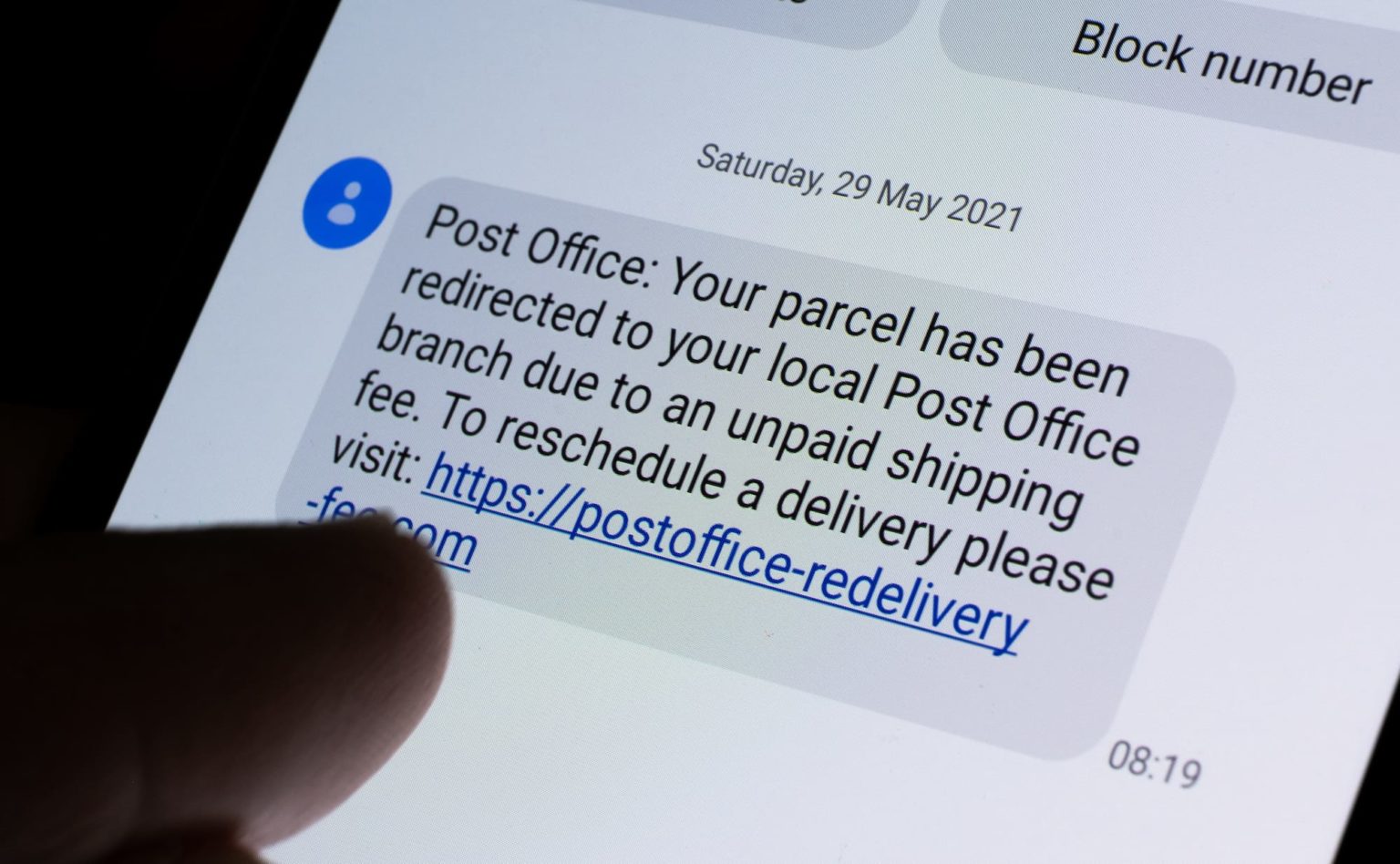
    With so many people looking for ways to save money, the ‘free voucher’ scam is one to watch out for. Social media websites are home to some of the most plausible including:

    • Mitchells & Butlers’ Toby Carvery restaurant chain warned that fraudsters are using fake Facebook pages to encourage victims to enter their personal details to sign up for vouchers.1
    • JD Wetherspoons, the pub chain closed down its social media accounts four years ago but it hasn’t stopped fraudsters from setting up false accounts offering free food vouchers in exchange for comments on posts and personal information.1
    • Similarly, supermarket chain Morrisons does NOT offer free food and vouchers in exchange for likes or shares on Facebook posts despite frequent scam posts circulating on social media.1

    2. Health related scams

    It is estimated that £34.5m has been taken from people concerned about their health, especially during COVID.2

    While some of these will be losing their potency as the COVID rules are being relaxed, the way that they have played and continue to play on the natural fears of victims show how they could be quickly adapted by fraudsters in the event of a COVID return or another pandemic.

    Vaccine passports are available for free through the NHS app. Criminals are still targeting victims by selling fake vaccination passports.1

    Coronavirus vaccine appointment scam texts and emails are still going out encouraging people to provide their bank details in order to book an appointment for their vaccine.1

    Fake hand sanitiser – People have been targeted with fake adverts for cheaper Covid-related products such as hand sanitiser. Some items contained 37% of the highly toxic banned substance methanol. Others also did not even contain enough ethanol to be effective against COVID.1

    3. Travel scams

    As the world has started to get back to some form of reality, fraudsters are taking advantage of people booking flights and holidays. Airlines like Jet2 are warning customers to only contact them on their official email accounts because fraudsters are putting up false contact details which link customers to call centres where they are asked for personal information.1

    Top tips to save you from the scammers

    1. If an offer sounds too good to be true, it probably is.
    2. Always log onto a website directly rather than by clicking on links in an email, and make sure the website is secure.
    3. Keep your wallet shut. Don’t hand over cash or sign anything until you are happy about the business with which you are dealing.
    4. Never send money to anyone you don’t know or trust.
    5. Protect your personal information. Never give banking or personal details to anyone you don’t know.
    6. Be password smart. Don’t pick your birthday or phone number and don’t use the same password for different sites and change them regularly.

    Sources

    1. Frost, G. (2021) Ten financial scams to avoid. Available at https://www.thetimes.co.uk/money-mentor/article/ten-financial-scams/ (Accessed 25th April 2022)
    2. Simmons, D. & Quinton, M. (2021) Covid Fraud: £34.5m stolen in pandemic scams. Available at: https://www.bbc.co.uk/news/technology-56499886 (Accessed 25th April 2022)
  • Garden improvements to add value to your home

    Garden improvements to add value to your home

    The Covid-19 lockdowns reminded us of why open space is so important to our sense of well-being and it is noteworthy that as lockdowns were eased, the main requirement for people looking to move home was the need for open space.1

    This is why the value of well kept outdoor space has begun to be measured in respect of the individual components that buyers are looking for. The garden has become a valuable asset and additional means of increasing the value of your home when it comes time to sell and move on.

    Nationwide Building Society recently commissioned a survey by Censuswide into the garden improvements that add the most amount of value to a home in 2022.2 At the top of the list was a conservatory, which on average, could increase the value of your home by almost £8,500. An office in the garden and gym room followed close behind, making up the rest of the top three garden features that could add the most value to your property. With so many of us working from home more than ever before, a lot of people are now willing to pay more for a property which allows them to work and exercise in comfort. 

    The survey also found that by having a home office in the garden, it could increase the value of your property by around £7,261, while a gym or studio room could increase your home’s worth by £7,124, on average.2

    Several entertainment features, including an outdoor kitchen, outdoor entertaining or dining area, and a hot tub also made the top 10 most prized garden improvements. Having these features in your garden could increase the value of your property by up to £6,500 on average, according to the Nationwide survey.2

    In total, the Nationwide research identified 19 garden improvements, with a vegetable patch, newly painted fences and a well-kept lawn also making the list.

    Of course, neglecting your garden space could also significantly decrease the value of your home. A mouldy or dirty conservatory roof could decrease the value of your house by £6,140, with damaged garden walls next, with an average decrease in value of just under £6,000.2 Broken guttering, cracked or damaged patios and damaged decking could cost you dearly.

    Of course, in the end, with property values at an all-time high3, demand for property is outstripping supply and the value of your property could be determined by the desire to buy as much as by the additional features that you may offer.

    Sources

    1. Office for National Statistics (2021) How has lockdown changes our relationship with nature? Available at: https://www.ons.gov.uk/economy/environmentalaccounts/articles/howhaslockdownchangedourrelationshipwithnature/2021-04-26 (Accessed 26th April 2022)
    2. Nationwide Building Society survey with Censuswide (2022) The Garden Trends That Add The Most Value to Your Home in 2022. Extract available at https://www.roofingmegastore.co.uk/garden-trends-2022 (Accessed 25th April 2022).
  • 2022 Spring Statement Summary

    2022 Spring Statement Summary

    Today, Rishi Sunak, the chancellor of the exchequer unveiled his spring statement against a backdrop of rising fuel, energy and food costs. We wanted to provide you with a summary of the most poignant points that were made in today’s speech.

    Fuel duty cut by 5p per litre

    In response to rising fuel paces, the chancellor announced a 5p per litre cut to fuel duty which is “the biggest cuts to all fuel duty rates ever”. The cut will come into force at 18:00 tonight and last until March next year.

    0% VAT on energy-saving materials

    For the next five years, homeowners will pay 0% VAT on energy saving materials, such as solar panels or heat pumps. The chancellor says he can make the move as a result of Brexit.

    Doubles household support fund

    Money for councils to support vulnerable households will be doubled to £1bn from April.

    Reiterates overall ambition to reduce taxes.

    Moving onto the tax system, Sunak reiterates his overall ambition to reduce taxes. He says he is publishing a tax plan today, with a “principled approach” to cutting taxes over this Parliament. This will first help families, then create conditions for higher growth, he says.

    National Insurance and income tax threshold is raised.

    The chancellor announced that the threshold for paying National Insurance will increase by £3,000 from July 2022. “From this July, people will be able to earn £12,570 a year without paying a single penny of income tax or National Insurance”, he says. “That’s a £6bn personal tax cut for 30 million people across the United Kingdom. “A tax cut for employees worth over £330 a year”. He adds: “The largest increase in a basic rate threshold ever, and the largest single personal tax cut in a decade”.

    Basic rate of tax cut by 2024

    In his final announcement, Rishi Sunak said that before the end of this Parliament in 2024, “for the first time in 16 years” the basic rate of income tax will be cut from 20p to 19p in the pound. He added: “A tax cut for workers, for pensioners, for savers. A £5bn tax cut for over 30 million people.”

    Support for business

    Sunak pledges that the government will reform the generosity of tax credits on the money private firms spend on research and development. He also says the government will cut tax rates on business investment, with details to be set out at the Budget in the autumn.

    The Employment Allowance will increase to £5,000, claiming it is a tax cut worth up to £1,000 for half a million small businesses. The new amount will come into place in two weeks’ time.

  • The Bank of England raises interest rates to 0.75%

    The Bank of England raises interest rates to 0.75%

    Interest rates have increased for the third time in four months as the Bank of England tries to calm the rise in the cost of living. We wanted to write to you to explain how that might affect your mortgage. The increase to 0.75% from 0.5% comes as households face soaring energy bills, fuel, and rising costs to the weekly shop.

    The good news is that if your mortgage is on a fixed rate, your monthly repayments are unaffected. So, along with the other c.74% of mortgage holders who are on fixed rate deals your foresight in fixing your repayments will now prove its value. People with fixed rate mortgages are likely to be affected once they reach the end of their current deal. An interest rate rise could make remortgaging more expensive.

    If you have a variable rate tracker mortgage that is linked to the BoE base rate, you are likely to see an immediate impact on the amount you repay. Those on a standard variable rate (SVR) could see an increase which is decided by the lender. If you are unsure, it is worth checking your mortgage terms and conditions in your mortgage offer document.

    If you are on your lenders SVR, please ensure that you get in touch as you could be paying more than you need to be.

    However, further rate increases cannot be ruled out and whatever your mortgage type, we strongly recommend you look at the terms of your mortgage and contact your financial adviser, who can review your mortgage needs for the future and help you plan to be in the best position to cope with the current turbulence in financial markets. It’s always a very good idea to have a financial plan in place to deal with any potential interest rate changes.